Blog

Best Eco Friendly Cat Litter Suppliers in China?

Best Eco Friendly Cat Litter Suppliers in China?

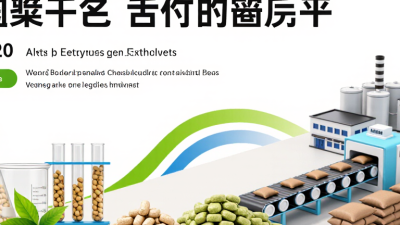
Choosing an Eco-Friendly Cat Litter supplier in China takes more than comparing prices or reading “natural” on a bag. Material source, dust levels, absorbency, odor control, and batch consistency all matter. A sample may look clean in a showroom, yet crumble when poured or leave fine dust on a dark floor. Supplier checks should include product specifications, test records, production capacity, and clear answers about packaging and export documentation. The market is growing. Grand View Research estimates that the global cat litter market reached USD 5.83 billion in 2023 and may reach USD 7.67 billion by 2030. Its report projects a 4.0% compound annual growth rate from 2024 to 2030. That figure covers cat litter overall, not just eco-friendly products, so it should not be mistaken for a sustainability-market estimate. Dr. Sarah Ellis, a feline behavior specialist, offers a useful reminder through her work on cat behavior: litter must suit the cat, not only the owner’s environmental goals. Texture and scent matter. Small details count. Ask whether a plant-based formula uses consistent feedstock, how suppliers control dust, and what happens when a shipment varies from the approved sample. Claims also deserve scrutiny; “biodegradable” does not explain disposal conditions by itself. This guide compares China-based suppliers through product materials, quality evidence, customization, and communication. No supplier is perfect. The aim is to identify credible options—and the questions buyers should keep asking.
Read more »
Ethan By:Ethan - November 9, 2026
2026 Top Natural Cat Litter Types for Global Buyers

2026 Top Natural Cat Litter Types for Global Buyers

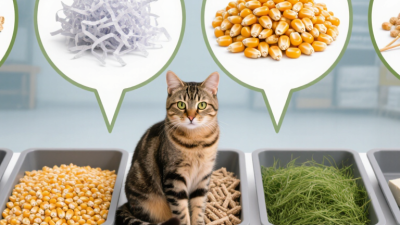
Natural Cat Litter now includes more than one simple alternative to clay. Global buyers can choose from plant-based materials such as wood, paper, corn, wheat, grass, and tofu by-products. Each behaves differently in the tray. Some wood pellets soften when wet, while many corn- or wheat-based litters form clumps that are easier to scoop. Paper products may feel gentler under sensitive paws, but their absorbency and odor control vary by formulation. Those differences matter in real homes and across supply chains. A fine litter may track onto a hallway rug; a dusty one can leave a visible film near the box. Moisture resistance, bag strength, storage conditions, and shipping weight also affect the buying decision. Product labels and supplier specifications can help, but buyers should check what “natural,” “flushable,” or “biodegradable” means for each product and market. Claims are not always equally clear. A sample test helps. Pour a small amount into a clean tray and observe dust, clumping, odor, and cleanup over several days. Cat preference matters, too; a technically impressive product is of little use if a cat refuses it. No material wins on every measure. Even a thoughtful comparison can miss how a litter performs in a humid warehouse or a busy household. This guide examines leading natural litter types, their practical trade-offs, and the questions global buyers can ask before placing an order.
Read more »
Charlotte By:Charlotte - November 4, 2026
How to Choose Scented Cat Litter for Global Buyers?

How to Choose Scented Cat Litter for Global Buyers?

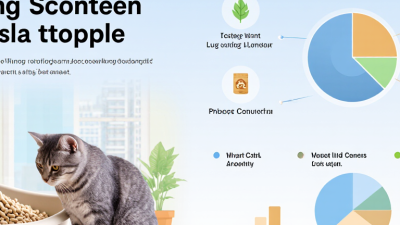
Choosing Scented Cat Litter for global buyers requires more than comparing fragrance names, prices, or packaging colors. Cats live close to their litter, often within a small bathroom or apartment corner. Their reactions can change quickly. The American Pet Products Association reported that 66% of U.S. households owned a pet in 2023–2024. Meanwhile, Grand View Research identified continued growth in the global cat litter market, supported by urban living, rising pet ownership, and premium product demand. These figures show opportunity, but they do not prove that every cat prefers scented products. That distinction matters. Dr. Mikel Delgado, a certified applied animal behaviorist, has said, “Cats are individuals, and what works for one cat may not work for another.” Buyers should treat this as practical guidance, not decoration. A strong lavender scent may please a human shopper, yet overwhelm a cat near an enclosed tray. A lighter odor, low-dust texture, and clear ingredient information may perform better across households. Global sourcing adds complexity. Climate, transport conditions, packaging barriers, and local consumer expectations can change product performance. Some buyers also expect plant-based ingredients, while others prioritize clumping strength and odor control. There is no universal winner. The evidence remains imperfect. Market reports often measure sales, not feline acceptance. Even “natural” fragrance claims require careful review. Responsible buyers should request safety documentation, ingredient disclosure, batch consistency, and real-world feedback before scaling orders. This guide examines those factors, with the cat’s daily experience—not only the buyer’s margin—kept at the center.
Read more »
Charlotte By:Charlotte - October 25, 2026
Why Choose Non Clumping Cat Litter for Wholesale?

Why Choose Non Clumping Cat Litter for Wholesale?

Why Choose Non-Clumping Cat Litter for Wholesale? Wholesale buyers face a practical question: will this litter perform reliably across homes, shelters, and retail shelves? Non-Clumping Cat Litter offers a straightforward option for customers who prefer simple daily maintenance. Instead of forming hard masses, it absorbs moisture through individual particles. Used litter can be removed with a scoop, while the remaining material stays loose. The texture is visible. The routine is easy to explain. Veterinarian Dr. Jean Hofve has often emphasized, “The best litter is the one your cat will use consistently.” That principle matters in wholesale purchasing. A product may look attractive in bulk packaging, yet poor acceptance can create returns and disappointed customers. Non-Clumping Cat Litter can suit kittens, multi-cat households, and owners seeking a familiar, low-complexity format. However, it is not automatically the right choice for every cat. Odor control, dust levels, particle size, and material quality still require careful evaluation. For distributors, consistency is essential. Bags should arrive dry, sealed, and uniform in weight. Retail partners also need clear instructions for cleaning and replacement. A dependable product reduces confusion at the shelf and during home use. Still, one weakness deserves attention: non-clumping formats may require more frequent full changes. That can increase consumption in busy households. Wholesale success depends on honest positioning, not exaggerated promises. Compare absorbency, packaging strength, customer feedback, and storage performance before committing to large volumes. A modest trial order may reveal more than a polished sales presentation.
Read more »
Charlotte By:Charlotte - October 15, 2026
Top Lightweight Clumping Cat Litter Suppliers Worldwide?

Top Lightweight Clumping Cat Litter Suppliers Worldwide?

The global cat litter market is becoming more specialized, with buyers comparing weight, absorption, dust control, and supply reliability. Grand View Research identifies rising cat ownership, premiumization, and odor-control innovation as important market drivers in its Cat Litter Market Size, Share & Trends Analysis report. Lightweight Clumping Cat Litter fits this shift because it can reduce carrying effort while forming compact waste clumps. That practical benefit matters in homes, retail stores, and subscription delivery channels. This outline examines leading suppliers across North America, Europe, Asia, and other major production regions. It considers bentonite quality, clay processing, packaging options, private-label experience, and export capability. The 2024 APPA State of the Industry Report also shows continued strength in U.S. pet ownership and household pet spending. These trends support demand for convenient, performance-focused litter products. However, market claims require careful checking. “Lightweight” does not always mean lower environmental impact or better absorption. Supplier evaluation should include particle size, moisture content, dust testing, clumping speed, and batch consistency. ISO-certified quality systems can improve traceability, although certification alone cannot guarantee product performance. Buyers should request recent laboratory results, production samples, safety documentation, and shipping records. Euromonitor International’s pet care industry analysis highlights the growing importance of product differentiation and trusted retail positioning. Still, some supplier rankings remain subjective because public data is incomplete. No supplier is perfect. A reliable comparison must balance price, technical performance, transparent communication, and regional logistics before recommending the strongest worldwide options.
Read more »
Charlotte By:Charlotte - October 10, 2026
China Top Biodegradable Cat Litter Manufacturers

China Top Biodegradable Cat Litter Manufacturers

China is becoming an important sourcing base for biodegradable pet-care products. Its cat litter manufacturers combine local agricultural fibers, automated production, and export experience. Common materials include tofu residue, corn starch, pea fiber, bamboo, and recycled wood. These materials can reduce reliance on mineral clay, but performance still varies between factories. The market is expanding. Grand View Research estimates that the global cat litter market will continue growing through 2030, supported by rising cat ownership and premium product demand. IMARC Group also reports steady worldwide market growth, although its figures differ because research methods and product definitions are not identical. That detail matters. “Biodegradable” does not automatically mean home-compostable or harmless in every waste system. China’s domestic pet market provides additional momentum. The China Pet Industry White Paper has reported continued growth in urban cat ownership and annual pet consumption, encouraging manufacturers to improve odor control, clumping strength, dust management, and packaging efficiency. Leading suppliers now present laboratory tests, material traceability, safety documentation, and export certifications. Buyers should verify these claims independently. Look closely at the factory floor. Fine particles, sealed bags, moisture testing, and batch records reveal more than attractive packaging. A reliable manufacturer should explain its raw-material sources, production controls, biodegradation evidence, and quality inspection process. Certifications help, but they are not the whole answer. Some suppliers still overstate environmental benefits. That weakness deserves attention. This guide examines China’s top Biodegradable Cat Litter manufacturers through product quality, manufacturing capability, customization, compliance, and supply-chain reliability. The goal is practical comparison, not easy praise. Sustainability sounds simple. In reality, it requires evidence.
Read more »
Charlotte By:Charlotte - October 5, 2026
2026 Best Absorbent Cat Litter for Wholesale Buyers?

2026 Best Absorbent Cat Litter for Wholesale Buyers?

Choosing the best Absorbent Cat Litter for wholesale buyers takes more than comparing price per bag. Retailers and distributors need products that perform consistently, arrive in sound packaging, and suit the needs of local customers. A litter may absorb quickly in a small trial yet behave differently in a busy home. That difference deserves attention. Compare absorption, clump strength, odor control, dust, and ease of disposal using the same simple test conditions. Note how much liquid each sample holds, whether clumps stay intact when scooped, and how much residue remains on the tray. Small details matter. Ask suppliers for product specifications, sample quantities, packaging options, and clear reorder terms. Then check whether the stated product details match what you observe. One test is not proof. Repeat it with fresh samples when possible. Wholesale decisions also involve freight costs, storage space, bag durability, and predictable supply. A lower unit price can lose its appeal if bags split or customers report inconsistent results. This guide compares common litter types and practical buying factors, including mineral, plant-based, and recycled-material options where available. No product suits every store. Customer preferences, climate, and price range can change the result. A spreadsheet helps, but it cannot capture every customer complaint. Treat product claims as starting points, not guarantees, and review samples before placing a large order.
Read more »
Olivia By:Olivia - September 25, 2026
Why Is the Pet Care Industry Growing So Fast?

Why Is the Pet Care Industry Growing So Fast?

Pet care has expanded far beyond food bowls and annual checkups. Today, many households budget for routine veterinary visits, grooming, daycare, enrichment toys, and home delivery of pet food. A bag of kibble at the door or a crowded grooming appointment reflects a wider shift: pets are increasingly treated as family members. That shift is visible. Animal advocate and author Roger Caras wrote, “Pets are not our whole life, but they make our lives whole.” His observation helps explain an important emotional driver behind the Pet Care Industry’s growth. Owners often seek care that supports comfort, health, and companionship, not merely basic upkeep. Meanwhile, online shopping, specialized products, and more visible wellness services make spending easier—and more varied. Industry surveys, including those published by the American Pet Products Association, help track changes in ownership and spending. Still, growth does not mean every household can afford premium care. This article examines the forces behind the expansion, from changing lifestyles to new services and consumer expectations. It also considers a less comfortable question: when does better care become unnecessary consumption? A smart feeder may help a busy owner, but it cannot replace attention. Trends matter. So does judgment. Understanding both sides offers a clearer view of why the Pet Care Industry is growing so fast—and where its growth may have limits.
Read more »
Olivia By:Olivia - September 25, 2026