 EN EN
Choosing an Eco-Friendly Cat Litter supplier in China takes more than comparing prices or reading “natural” on a bag. Material source, dust levels, absorbency, odor control, and batch consistency all matter. A sample may look clean in a showroom, yet crumble when poured or leave fine dust on a dark floor. Supplier checks should include product specifications, test records, production capacity, and clear answers about packaging and export documentation.
The market is growing. Grand View Research estimates that the global cat litter market reached USD 5.83 billion in 2023 and may reach USD 7.67 billion by 2030. Its report projects a 4.0% compound annual growth rate from 2024 to 2030. That figure covers cat litter overall, not just eco-friendly products, so it should not be mistaken for a sustainability-market estimate. Dr. Sarah Ellis, a feline behavior specialist, offers a useful reminder through her work on cat behavior: litter must suit the cat, not only the owner’s environmental goals. Texture and scent matter.
Small details count. Ask whether a plant-based formula uses consistent feedstock, how suppliers control dust, and what happens when a shipment varies from the approved sample. Claims also deserve scrutiny; “biodegradable” does not explain disposal conditions by itself. This guide compares China-based suppliers through product materials, quality evidence, customization, and communication. No supplier is perfect. The aim is to identify credible options—and the questions buyers should keep asking.
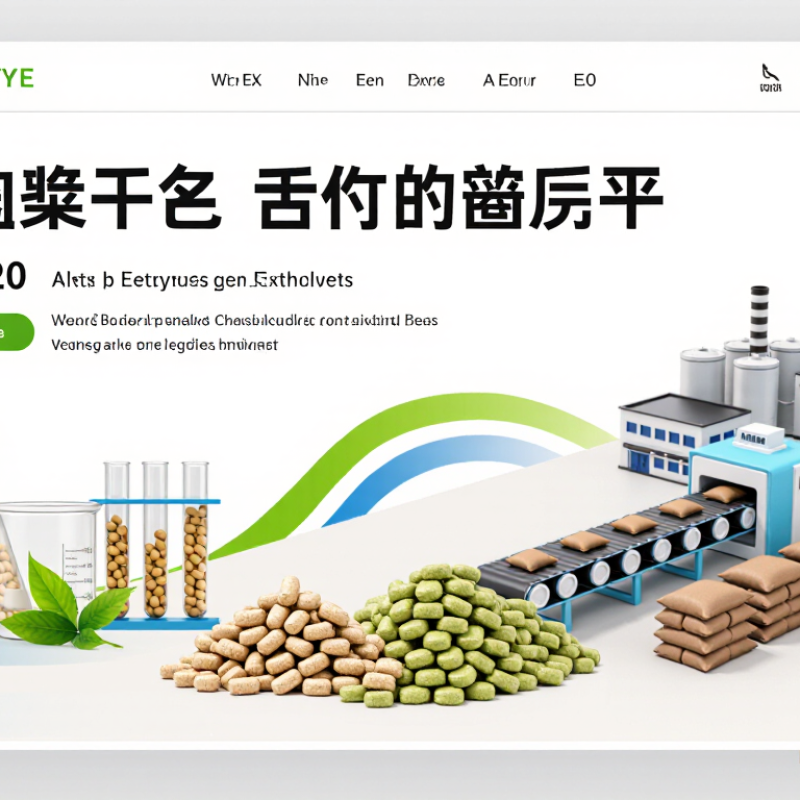
What Makes Cat Litter Eco-Friendly?
Eco-friendly cat litter is about more than a natural-sounding ingredient. Check where the material comes from, how it is processed, and how far it travels. Plant-based fibers or responsibly sourced minerals may reduce reliance on newly extracted resources, but no material is impact-free. Production still uses energy and water. Transport matters too.
A practical comparison starts with clear supplier information. Ask about raw material sourcing, processing, packaging, and disposal instructions. Recycled or minimal packaging can help, though it does not offset every other impact. Performance counts: litter that controls odor and absorbs well may need fewer full changes. That matters. Dust levels also affect the home, especially around a low tray. Be cautious with composting claims; used litter can contain waste that should not go into ordinary garden compost. Disposal options vary by local facilities. Not always. A product may appear greener on the shelf yet travel a long distance or require frequent replacement. Look for specific, verifiable details, then weigh them against your cat’s comfort and your household’s disposal options.
| Supplier Category | Common Litter Materials | Potential Environmental Advantages | Important Limitations | Evidence to Request from a Supplier | Questions for Buyers |
|---|---|---|---|---|---|
| Plant-fiber litter manufacturers | Wood fiber, paper fiber, or other processed plant fibers | May use renewable or recovered feedstocks; some formulations can biodegrade under suitable conditions. | Environmental impact depends on feedstock sourcing, processing, additives, and disposal. Biodegradable does not mean suitable for every composting system. | Feedstock origin, recycled-content records where applicable, full ingredient information, and product-specific biodegradation or compostability test reports. | Is the material virgin, recycled, or a mixture? What disposal route does the supplier recommend? |
| Tofu-litter manufacturers | Plant-derived fibers, commonly based on processed soy or other food-industry plant materials | Plant-based ingredients may offer a renewable alternative to mineral clumping litter; some products are designed to break down in composting conditions. | Ingredients and binders vary. Do not assume a product is flushable or suitable for home composting without product-specific evidence and local guidance. | Ingredient list, sourcing information, additive disclosure, and test results supporting any biodegradability, compostability, or flushability claims. | Are fragrances, binders, or other additives included? Are disposal claims supported by independent testing? |
| Paper-based litter manufacturers | Recycled paper or processed paper fiber | Products made with verified recycled paper can make use of recovered material and reduce demand for virgin fiber. | Recycled content alone does not establish a low overall footprint. Dust, absorbency, packaging, and disposal should also be considered. | Recycled-content percentage and supporting records, material safety information, and details of packaging materials. | What percentage is recycled content, and how is the product packaged for shipment? |
| Wood-based litter manufacturers | Wood pellets, sawdust, or other wood-processing by-products | Use of documented sawdust or other by-products may make efficient use of existing wood-processing materials. | Wood is not automatically sustainable: forest sourcing, processing energy, transport, and any fragrances or treatments matter. | Wood-source documentation, chain-of-custody information where available, treatment and additive disclosures, and product test reports. | Is the wood a documented by-product or newly harvested material? Are any coatings or scents added? |
| Mineral-clay litter manufacturers | Bentonite or other mineral clay | Can provide strong clumping performance and may last longer per use for some households, potentially affecting the amount used. | Mineral clay is extracted through mining and is not biodegradable. Mining, processing, and transport are relevant environmental considerations. | Mining and sourcing information, product composition, dust-control test results, and packaging specifications. | What is the product’s dust level, and can the supplier document its mineral source and production controls? |
| Silica-gel litter manufacturers | Porous silica gel crystals | Some products are designed for extended use before replacement, which may reduce litter volume used in certain households. | Silica gel is a processed mineral material and is not biodegradable. Disposal instructions and dust performance vary by product. | Material safety information, dust-test method and results, replacement guidance, and packaging details. | How often should the product be replaced, and what disposal method does the supplier specify? |
| How to compare suppliers: Treat environmental claims as product-specific, not as proof that an entire supplier is eco-friendly. Request current test reports, ingredient and sourcing details, packaging specifications, and clear disposal guidance. No supplier names or rankings are included in this comparison. | |||||
Common materials include soybean residue, bamboo, wood fiber, corn, cassava, and recycled paper. Tofu-style pellets may use dried, pressed okara.
No. Drying energy, transport, additives, and packaging also matter. A “green” label proves little on its own.
Ask for ingredient lists, fiber sources, and recent test reports covering moisture, dust, clumping strength, and odor control. Check the test method and sample date.
Pour it into a shallow tray and notice dust on a dark surface. Check clumping after a few minutes and odor over several days. Keep dated notes.
Weigh equal amounts, add the same volume of water, and record clumping time, tracking, odor, and cleanup effort. Repeat the test. Not every claim holds.
Ask which disposal conditions are required and whether the claim covers the whole product or just one ingredient. “Compostable” may not mean suitable for home composting.
Observe whether pellets crumble into fine pieces after absorbing moisture. Lift a clump and see if it breaks. Results can vary.
Ask about raw-material sources, batch records, production controls, packaging, minimum order quantities, and sample shipping. Supplier documents may still leave questions unanswered. Dig deeper.
Eco-Friendly Cat Litter is defined not just by the material it uses, but also by how that material is sourced, processed, packaged, and disposed of. In China, sustainable options may be made from plant-based materials such as bamboo, wood, corn, tofu by-products, or recycled paper. Each material can differ in absorbency, odor control, dust levels, clumping performance, and disposal requirements, so buyers should match product features to their needs rather than relying on environmental claims alone.
When evaluating Chinese suppliers, consider their production capacity, quality-control processes, material traceability, product consistency, packaging choices, and ability to meet shipping requirements. The market includes manufacturers, contract producers, and trading suppliers, each offering different levels of customization and direct production access. Verify claims by requesting product specifications, relevant test documents, and samples, then compare performance under consistent conditions. Clear communication and transparent evidence can help buyers select a dependable supplier and make a more informed, lower-impact purchasing decision.