
0%

Cats are careful groomers, but they still rely on people to keep their shared spaces clean and comfortable. Cat Hygiene Products, including litter, waste bags, grooming tools, and pet-safe cleaning supplies, help make daily care manageable. A clean litter tray can reduce lingering odors and make it easier to notice changes in a cat’s habits. That matters. Sudden changes in urination or stool may warrant a conversation with a veterinarian, rather than simply a different deodorizer.

Good hygiene is not about making a home smell as if nothing ever happened. It is about reducing mess, supporting routine care, and choosing supplies that suit the individual cat. A short-haired indoor cat may need different grooming tools from a long-haired cat prone to tangles. Some cats also avoid strongly scented litter, even when their owners prefer it. Small details count. Follow product labels, clean tools regularly, and introduce new items gradually when possible. These steps are practical, though not perfect; a favorite product can still fail in a small room or with a picky pet. Keep a simple note when you notice repeated changes. Observing your cat is part of the process. This guide explains why hygiene supplies matter, what to consider when choosing them, and how everyday habits can support a cleaner home and a healthier relationship with your cat. Even a simple routine helps.
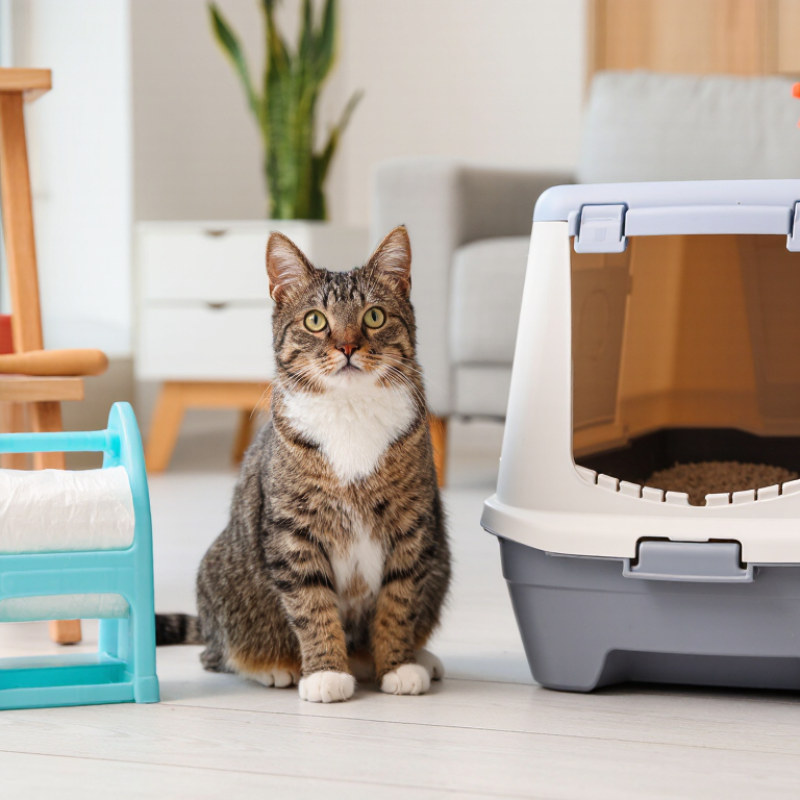
Why Are Cat Hygiene Products Essential for Pet Owners?

What Cat Hygiene Products Include

Cat hygiene products include the basic supplies that keep a cat’s coat, paws, teeth, and living space clean. A litter tray and suitable litter are central items. Some cats prefer fine, unscented litter, while others are less particular. Watch how your cat uses the tray. A scoop and small waste bags make daily cleaning easier, and a washable mat can catch litter scattered across the floor. Tray liners may help with cleanup, but some cats dislike the texture.

For coat care, a brush suited to your cat’s fur can remove loose hair and help you notice tangles or skin changes. Nail trimmers are useful when claws grow too long, but trimming needs patience and care. Cat-specific shampoo is usually only needed when washing is necessary; frequent baths can dry the skin. Dental brushes or other cat-safe dental-care supplies support oral hygiene. Unscented wipes may help with small messes, while an enzymatic cleaner can treat accidents on floors or bedding. These products are helpful, not magic. A change in odor, skin, or bathroom habits may need veterinary advice.

Tips: Introduce one new item at a time. Keep the litter tray in a quiet, accessible spot, and clean it regularly. If your cat avoids a product, reconsider its texture or scent rather than forcing it.

How Hygiene Products Support Feline Health

A clean litter tray does more than control odor. Scooping it daily helps owners notice changes in urine, stool, and bathroom habits. These changes can sometimes signal health problems, though they cannot diagnose them.

A washable scoop, low-dust litter, and a tray that is easy to reach make regular care simpler. Small details matter. Cats may avoid a tray that feels dirty or uncomfortable, and holding urine is not ideal.

If a cat strains, cries, or stops using the tray, contact a veterinarian rather than relying on cleaning products.

Grooming tools also support feline health when used gently. A suitable brush can remove loose fur and reveal mats, fleas, or sore patches early. Wipe bowls and refresh water often; residue can build up faster than expected.

Clean bedding and cat-safe surface cleaners help limit grime, but strong fragrances may irritate sensitive noses. Read product labels and keep cleaning liquids away until surfaces are dry.

Dental care matters, too. Brushing with cat-specific toothpaste can help reduce plaque, but many cats resist at first. I have found that short, calm sessions are more realistic than forcing a perfect routine.

Hygiene products help with prevention and observation; they do not replace veterinary care.

How Cleanliness Protects People and Other Pets

Cat hygiene is not just about keeping a room pleasant. Regular scooping, sealed waste bags, and a washable litter mat reduce contact with soiled litter around the home. Good handwashing after cleaning matters, especially before preparing food. Cat waste can contain germs, so avoid touching your face while handling it. Small habits help.

Clean tools also protect other pets. Use a separate scoop and cloth for the litter area, and clean spills with a product labeled safe for pets. Keep cats away while surfaces dry, and follow the cleaner’s directions. A brush can remove loose fur before it gathers on shared bedding; wash blankets regularly.

These steps cannot prevent every infection, and cleanliness is not a substitute for veterinary care. Watch for sudden changes in litter-box use, stool, or grooming, and ask a veterinarian when they persist. No routine is perfect. It is easy to miss stray litter in a corner, so check the mat and nearby floor, not just the box. A clean space protects people and pets, but observation matters too.

How Cat Hygiene Products Reduce Odors and Mess

A clean litter station controls odor at its source. The 2023–2024 National Pet Owners Survey from the American Pet Products Association estimates that 46.5 million U.S. households own cats, making practical hygiene routines relevant to many homes. The American Association of Feline Practitioners and International Society of Feline Medicine recommend scooping litter boxes daily and using unscented litter. Removing wet clumps and feces promptly limits the time waste sits exposed. Small habits matter. A covered, washable bin with a secure lid can also keep used litter from lingering in the room.

Mess needs a different approach. A litter-trapping mat placed outside the box catches some grains before paws carry them across the floor. It will not catch every grain. No setup is perfect. Washable mats are easier to clean than textured surfaces that hold dust and fur. For spills, clean the affected area promptly with a pet-safe product, following its label, and let it dry before the cat returns. Strong fragrances may mask odors for people without removing their source, so unscented cleaning is often the more sensible choice. A quick daily check of the box, floor, and nearby bin can reveal problems early, though it takes consistency.

How to Choose and Maintain Cat Hygiene Supplies

Choosing cat hygiene supplies starts with your cat’s habits, age, and mobility. The American Pet Products Association’s 2024 State of the Industry report estimated that 49 million U.S. households owned cats, making practical daily care a common responsibility. For litter boxes, the AAFP and ISFM’s 2013 environmental-needs guidelines recommend one box per cat, plus one extra. Place them in quiet, accessible spots, not beside food or noisy appliances. A low entry can help kittens and older cats. Unscented, fine-textured litter may suit many cats better than strongly perfumed varieties. Preferences differ, though.

Maintenance matters as much as selection. Scoop waste daily, check for cracks, and wash boxes regularly with mild soap and water; the AAFP and ISFM guidelines suggest cleaning every one to four weeks, depending on litter and use. Rinse well and dry the box before refilling. Keep a dedicated scoop nearby, and wash it after cleaning. A litter mat can catch loose granules, but shake it out often. Strong fragrances may smell clean to people, yet bother sensitive cats. It’s easy to overlook the box’s location. If your cat suddenly avoids it, note any changes in cleanliness, access, or litter before switching products; persistent changes in toileting deserve veterinary advice.

Why Cat Hygiene Products Matter: A Simple Care Routine

Regular cleaning helps keep your cat’s essentials fresher and makes daily care easier.

How to use this guide: Scoop litter and refresh water daily; wash food and water bowls daily; and fully clean the litter box about once a week. Adjust the routine to your cat’s needs and follow product care instructions.

FAQS

How often should I scoop a cat’s litter box?

Scoop it daily. Removing wet clumps and waste promptly helps reduce odor. Small habit, real difference.

How many litter boxes should a home have?

A common guideline is one box per cat, plus one extra. Keep boxes in quiet, accessible places, away from food and noisy appliances.

What type of litter may suit many cats?

Unscented, fine-textured litter may work well for many cats. Preferences differ, so watch how your cat responds.

How often should I wash the litter box?

Wash it regularly with mild soap and water. A common guideline suggests every one to four weeks, depending on use. Rinse and dry it before adding litter again.

How can I reduce litter tracking around the box?

Place a washable litter mat outside the entrance. It catches some loose grains, not all. Shake it out often and check the nearby floor.

What should I do after cleaning up litter or waste?

Seal used waste in a bag, then wash your hands, especially before preparing food. Avoid touching your face while handling litter.

How can I clean a litter spill safely?

Use a product labeled safe for pets and follow its directions. Keep your cat away until the surface dries. Strong scents may mask odors rather than remove them.

What should I notice during daily litter-box checks?

Check the box, mat, floor, and nearby bin. Watch for sudden changes in toileting, stool, or grooming. I still miss stray grains sometimes; a quick floor check helps.

When should I ask a veterinarian for advice?

Seek advice if changes in litter-box use, stool, or grooming persist. Cleanliness helps, but it cannot prevent every problem or replace veterinary care.

Conclusion

Cat Hygiene Products include litter, litter boxes, waste bags, cleaning tools, odor-control supplies, and grooming essentials that help keep a cat’s living space comfortable. Used regularly, these supplies support feline health by making it easier to remove waste, maintain clean surfaces, and notice changes in a cat’s habits or condition. A tidy environment can also reduce the spread of germs and help protect people and other pets who share the home.

Good hygiene supplies make everyday cleanup simpler, limit lingering odors, and reduce mess around litter areas. Choosing products that suit a cat’s size, habits, and sensitivities can encourage consistent use. Regularly washing or replacing items, refreshing litter, and cleaning nearby surfaces helps maintain their effectiveness. With thoughtful selection and routine care, cat owners can create a cleaner, healthier, and more pleasant home for everyone.

Ethan

Ethan

Ethan is a marketing professional with a deep understanding of the company’s products, customer needs, and the practical considerations that shape purchasing decisions. He regularly contributes expert articles to the company website, translating product knowledge and industry insights into clear,......