 EN EN
EN EN Engineering Premium Recycled Cellulose Granules & Eco-Pellet Solutions for South American Distributors, Supermarket Chains, and Private Label OEM Brands
Explore our specialized pet hygiene products engineered for international B2B distribution, private label customization, and superior market performance in Colombia.
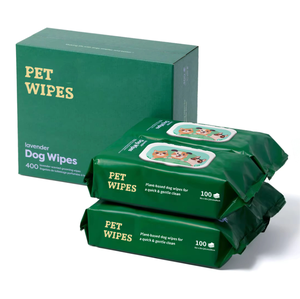
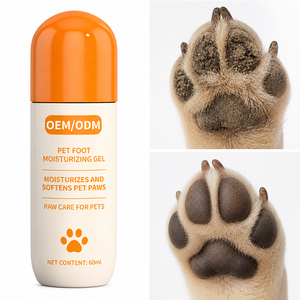
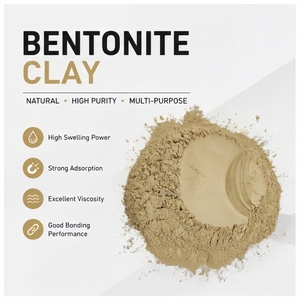
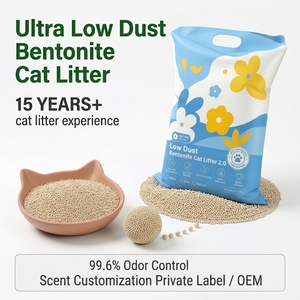
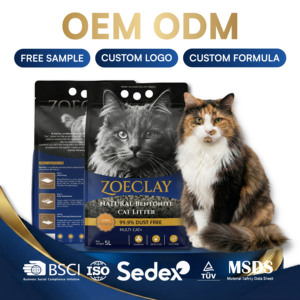
As the Latin American pet care market experiences an unprecedented shift toward eco-conscious pet parenthood, commercial buyers across Colombia—including Bogotá, Medellín, Cali, and Barranquilla—are seeking high-performance alternatives to traditional mineral litters. Paper cat litter engineered from post-consumer recycled cellulose fibers has emerged as the definitive premium solution for modern urban households. Our manufacturing facility combines 35+ years of advanced substrate engineering with a fully integrated production model, yielding paper pellets that resolve the historical trade-offs between lightweight convenience, moisture absorption capacity, and atmospheric odor suppression.
The core advantage of our paper pellet formulation lies in our proprietary Thermal-Pneumatic Compaction Process. Raw cellulose fibers undergo rigorous magnetic separation, de-inking purification, non-toxic heat sterilization at temperatures exceeding 120°C, and controlled density extrusion. This mechanical process creates micro-porous capillary channels within each individual paper cylinder. When liquid contacts the pellet surface, capillary forces draw moisture instantly into the core, locking away ammonia molecules before oxidation occurs. This structural design achieves an absorption benchmark of over 400% by weight—significantly outperforming conventional non-clumping clay and basic recycled paper litters.
To understand why paper cat litter is capturing rapid market share among Colombian importers and specialized veterinary networks, it is essential to examine the physical chemistry of feline waste management. Clay litters rely on swelling bentonite minerals or passive porous attapulgite structure. While bentonite clumps effectively, it imposes heavy logistics freight costs (high bulk density of ~900–1000 g/L) and generates airborne crystalline silica dust, which can trigger upper respiratory distress in indoor cats and human owners alike.
In contrast, our engineered paper pellets operate at an optimized bulk density of 420–480 g/L. This cut in mass delivers immediate cost savings in ocean container freight to Colombian ports such as Buenaventura and Cartagena. From a hygienic perspective, paper pellets produce zero silica dust (<0.01% particulate emission), creating a clean environment ideal for post-surgical recovery, kittens with sensitive respiratory systems, and multi-cat high-density living quarters in metropolitan apartments.
Colombia presents a unique geographical profile characterized by diverse vertical thermal zones, varying atmospheric humidity levels, and distinct urban housing structures. A single litter formulation cannot perform optimally unless it is specifically engineered to handle these environmental variables. As a primary manufacturer supplying Colombian brand owners and regional pet store chains, we tailor our paper litter solutions to meet local demands:
In Bogotá, where residential spaces favor compact apartment floor plans and high elevation (2,640 meters) results in cooler ambient temperatures, indoor ventilation is often restricted to keep living spaces warm. Traditional litters release fine dust particles that settle on furniture and circulate through closed indoor air. Furthermore, wet clay litters stored in damp utility balconies tend to absorb ambient moisture from cold morning air, diminishing their effective lifespan. Our engineered paper pellets maintain structural rigidity down to 5% internal moisture, remaining completely dust-free and odorless in enclosed space settings.
Coastal Colombia experiences high relative humidity (often exceeding 80% RH) combined with warm temperatures. Poorly processed biological litters or low-grade paper litters absorb atmospheric moisture, leading to premature disintegration, fungal spore growth, or sour fermentation odors. Our export-grade paper pellets undergo a thermal dehydration cycle during manufacturing and are sealed in moisture-barrier bags with optional desiccant linings. This guarantees a 24-month shelf life in humid tropical warehouses and prevents litter degradation inside the box.
Veterinary clinics and animal hospitals in pet-centric hubs like Medellín and Cali strictly specify paper pellet litter following feline spay/neuter procedures, declawing (where performed historically), or skin allergy treatments. Clay dust and sharp mineral edges can adhere to surgical wounds, causing severe surgical site infections or granulomas. Our soft-pressed, unbleached virgin and post-consumer recycled paper pellets are dust-sterilized, providing a gentle, non-irritating bedding surface that vets trust.
The Colombian pet industry is experiencing a profound transition driven by pet humanization, expanding urban middle-class purchasing power, and strict environmental regulations. Strategic importers and wholesale distributors must align their supply chains with these structural trends:
For B2B buyers evaluating inventory allocation, the following comparison matrix highlights the physical and economic trade-offs between our engineered paper pellets and alternative litter categories:
| Performance Indicator | Engineered Paper Pellets | Sodium Bentonite Clay | Tofu / Fiber Litter | Pine Wood Pellets |
|---|---|---|---|---|
| Raw Substrate Source | Recycled Cellulose Pulp | Quarried Bentonite Mineral | Soybean Dregs / Starch | Softwood Sawdust Shavings |
| Bulk Density (g/L) | 420 – 480 g/L (Lightweight) | 900 – 1,000 g/L (Heavy) | 520 – 580 g/L (Medium) | 600 – 650 g/L (Medium) |
| Liquid Absorption Capacity | 380% – 420% | 250% – 300% | 300% – 350% | 220% – 280% |
| Dust Content (<0.1mm) | < 0.05% (Dust-Free) | 1.5% – 3.0% (High Dust) | < 0.5% (Low Dust) | 0.8% – 1.2% (Moderate Dust) |
| Post-Use Disposal | Flushable / 100% Compostable | Landfill Only (Non-Biodegradable) | Flushable in Small Quantities | Compostable (Slow Decay) |
| Freight Efficiency (40' HQ) | Maximum Payload / Reduced Mass | Heavy Freight / Weight Restricted | Moderate Freight Rating | Moderate Freight Rating |
| Post-Surgical Safety | Veterinary Approved | High Risk of Infection | Moderate Safety Profile | Risk of Wood Splinters |
Building upon over three decades of enterprise growth and mineral extraction expertise via our parent brand Sepicat and specialized hygiene facilities, our manufacturing infrastructure offers international partners an unmatched competitive moat. We are not merely brokers; we are vertically integrated producers operating at scale.
Beyond technical performance, our manufacturing facility operates under zero-landfill principles. We utilize biomass energy sources to fuel pellet drying kilns, recirculate process water, and maintain ISO 9001 and ISO 14001 certifications. Furthermore, our corporate social responsibility program has contributed over 150,000 liters of animal bedding and cat litter to non-profit animal rescue shelters globally. Partnering with us gives Colombian brands a strong corporate sustainability narrative that resonates with modern Latin American consumers.
Below are detailed answers to the most common questions raised by Colombian importers, brand owners, retail buyers, and supply chain managers: