 EN EN
EN EN 
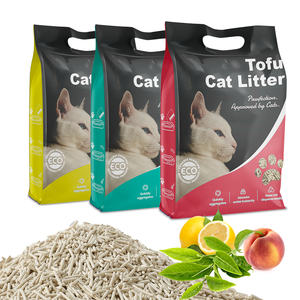
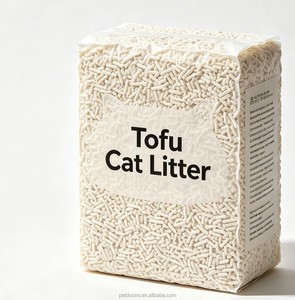
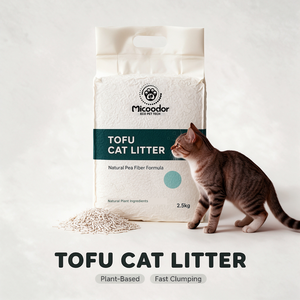
The pet care landscape in Israel has undergone a massive qualitative shift over the last decade. Dense urban living environments across major commercial hubs such as Tel Aviv, Haifa, Rishon LeTsiyon, and Jerusalem have elevated feline companionship to record highs. In dense city apartments, cat owners demand hygiene solutions that eliminate localized odors instantly, produce zero micro-dust particles that could compromise indoor air quality, and align with rigorous environmental values. Among the available pet hygiene media—including traditional bentonite clay, silica gel, and soy-based tofu litters—custom OEM wood pellet litter has emerged as the premier eco-friendly choice for discerning Israeli brand owners, supermarket chains, and veterinary distributors.
As a global pioneer backed by over 35 years of vertically integrated mineral and natural fiber extraction, our manufacturing ecosystem engineered this whitepaper to provide Israeli B2B procurement managers, private label brand developers, and pet supplies wholesalers with actionable industry intelligence. Successfully establishing a private label wood pellet line requires deep technical insight into raw material selection, high-pressure pelletization engineering, custom thermal treatment processes, packaging barrier technology, and specialized maritime supply chain logistics tailored for direct entry through Ashdod Port and Haifa Port.
Information Gain Insight: Unlike standard agricultural wood pellets, specialized cat hygiene pine pellets undergo high-heat kiln drying to strip natural volatile oils while preserving natural lignin, achieving up to 300% absorbency relative to dry weight without synthetic chemical additives.
Wood pellet litter operates on a mechanical decompaction mechanism. Engineered from 100% virgin pine softwood or mixed coniferous sawdust, individual 6mm to 8mm cylindrical pellets capture liquid within their microscopic capillary structures. Upon fluid contact, the dense lignin matrix dissolves in a controlled manner, breaking down into highly absorbent wood fiber flour that locks in ammonia molecules instantly. This unique biochemical behavior makes wood pellets ideal for high-humidity Mediterranean coastal regions where traditional clays often become sticky and track across apartment floors.
Developing an OEM product strategy for Israel requires analyzing localized user intent and residential environmental variables. Israel presents distinct geographical and climactic conditions: warm to hot temperatures for eight months of the year, elevated atmospheric humidity along the coastal plain, and high reliance on air-conditioned indoor environments. Standard cat litters often fail to perform under these intense conditions, leading to rapid bacterial breakdown and foul ammonia emissions.
In Tel Aviv and Givatayim, multi-cat apartments require zero-tracking, non-dusty bedding. Natural pine pellets do not stick to feline paws, keeping living rooms, tiles, and rugs free from litter residue.
High temperatures accelerate bacterial activity in litter boxes. The natural pinene terpenes within our kiln-dried softwood pellets neutralize odor chemically without heavy artificial perfumes.
Israeli veterinary clinics specify dust-free, non-clumping wood pellet litter following feline spaying, neutering, or declawing procedures to prevent fine clay dust from entering open surgical incisions.
By customizing moisture parameters, pellet diameters, and private label barrier packaging, Israeli brand owners can segment their product catalog effectively to target household budget buyers, premium eco-conscious consumers, and professional veterinary accounts simultaneously.
To assist OEM buyers in positioning their brand against competing products on Israeli retail shelves (such as Super-Pharm, local pet boutique chains, and online pet platforms), our research division has compiled an empirical performance evaluation matrix comparing primary cat litter substrates.
| Performance Indicator | OEM Wood Pellets (Pinewood) | Sodium Bentonite Clay | Soy Tofu Litter | Silica Gel Crystals |
|---|---|---|---|---|
| Absorption Rate (% Weight) | 250% - 320% | 120% - 180% | 200% - 250% | 100% - 130% |
| Dust Index Factor | <0.5% (Ultralow) | 3.0% - 6.0% (High) | <1.0% (Low) | 1.5% - 2.5% (Moderate) |
| Biodegradability & Disposal | 100% Compostable / Flushable | Non-biodegradable (Landfill) | 100% Flushable | Non-biodegradable |
| Odor Control Mechanism | Natural Pinene + Lignin Binding | Artificial Fragrance Masking | Enzymatic / Scent Additives | Porous Moisture Trapping |
| Container Freight Utilization | High Density Packaging | Heavy / Weight-Limited | Volume Limited | High Cost / Low Weight |
As demonstrated above, custom wood pellet formulations deliver superior fluid retention and environmental sustainability while reducing overall container shipping weight—maximizing profitability for Israeli importers navigating global ocean freight routes.
A critical challenge faced by Israeli pet hygiene distributors is inventory instability caused by inconsistent raw material sourcing from secondary brokers. As a vertically integrated manufacturer, our production framework maintains total control over the manufacturing lifecycle—from timber sourcing and biomass processing to high-pressure extrusion, dust removal, and retail packaging.
Our industrial production facilities deploy multi-stage technological processes engineered to maintain absolute batch consistency across large order volumes:
Raw softwood sawdust is thermal-treated at temperatures exceeding 220°C. This lowers moisture content to under 8% while vaporizing volatile organic terpenes to guarantee safety for feline respiratory systems.
Biomass is compressed through heavy-duty industrial ring dies under high pressure. The natural lignin within the wood acts as an organic binder, creating tight pellets without glues or binders.
Before entering packaging lines, pellets pass through four consecutive cyclone air separators and vibrating mesh sieves, eliminating fine dust particles down to a 99.5% dust-free standard.
We provide comprehensive Private Label (OEM/ODM) branding solutions designed to help Israeli clients launch distinctive retail products. Custom options include:
Importing pet hygiene products into Israel requires compliance with national trade regulations and port requirements. Cargo arriving at Ashdod Port or Haifa Port must clear customs smoothly to minimize demurrage fees and protect product freshness during maritime transport across Mediterranean shipping routes.
1. Humidity Protection during Sea Transit: Maritime transport across the Red Sea or Mediterranean exposes cargo to elevated humidity. Our export shipments feature heavy-duty desiccants within every 20ft/40ft HQ container and double-wrapped pallet stretch films to prevent ambient moisture absorption during transit.
2. Container Payload Optimization: Pinewood pellets feature high bulk density, allowing maximum weight loading per 40ft HQ container. By optimizing pallet dimensions and palletizing configuration, importers maximize unit yield per container and lower landed unit costs.
3. Bilingual Hebrew/English Labeling Compliance: Import regulations require localized consumer packaging labels detailing product net weight, composition, manufacturer details, and disposal guidelines. Our OEM design team assists clients in integrating fully compliant Hebrew typography directly into master artwork files.
Below are authoritative technical responses to common inquiries submitted by commercial buyers, importers, and retail distributors in Israel.
Our standard Minimum Order Quantity (MOQ) for custom private label packaging (custom printed PE or Kraft bags) is 1x20-foot full container load (FCL), yielding approximately 14 to 16 metric tons depending on palletization specs. For standard white-label or unprinted master sacks, lower entry thresholds can be negotiated for market testing phases.
Our wood pellets undergo high-temperature thermal kiln drying to achieve a core moisture level below 8%. This ultralow internal moisture content prevents ambient humidity absorption during storage in Israeli coastal warehouses and ensures maximum fluid absorption capacity when placed in the cat box.
Yes. Upon saturation, the compacted pinewood pellets dissolve into fine, soft wood flour. Small soiled quantities can be safely flushed down domestic toilets. For larger quantities, composting or disposal in organic waste bins is recommended in accordance with local municipal waste guidelines.
Absolutely. We offer advanced custom blending services. We can integrate activated carbon micro-particles to absorb odor molecules, or engineer hybrid formulations combining pine wood fibers with mineral bentonite to deliver clumping action alongside natural wood aroma.
Manufacturing and packaging production typically requires 14 to 21 days following artwork finalization. Ocean transit time to Ashdod Port or Haifa Port varies by carrier route, typically taking 18 to 28 days. In total, buyers should plan for a 5 to 7 week timeline from PO placement to port arrival.
Our factory operates a closed-loop 4-stage cyclone dust collection system. Pellets pass through continuous vibrating sieves and air-knife aspirators immediately prior to automated packaging, ensuring a dust-free finished product standard exceeding 99.5%.
Expand your product portfolio in Israel with custom private label solutions, guaranteed supply chain stability, and competitive direct-from-factory pricing. Contact our B2B export engineering team today for technical specifications, sample kits, and instant FOB/CIF port quotes.