 EN EN
EN EN Direct mine-to-shelf cat hygiene solutions engineered for rapid clumping, ultra-low dust, and premium odor control.
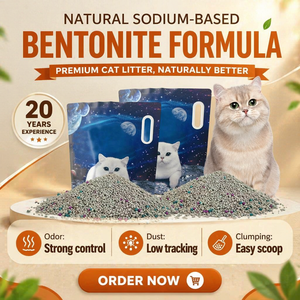
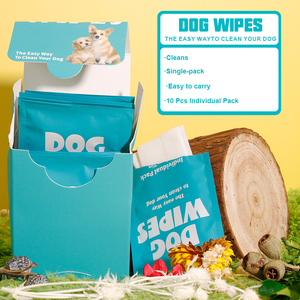
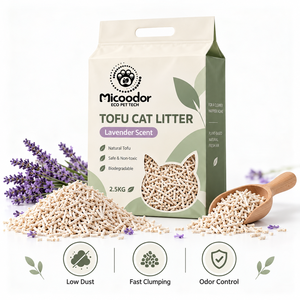
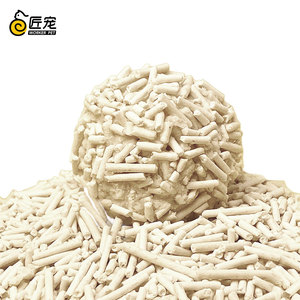
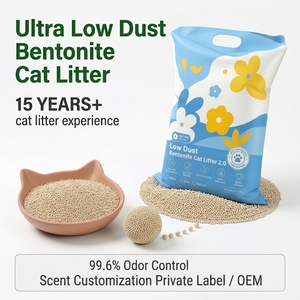
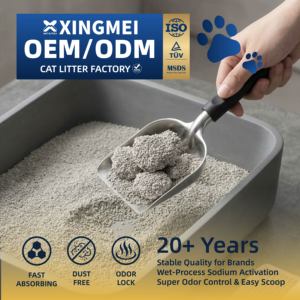
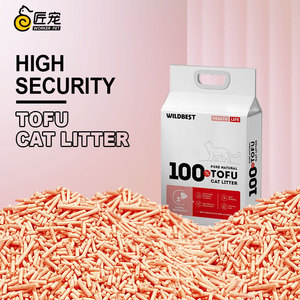
In the rapidly expanding global pet hygiene sector, sodium bentonite cat litter remains the gold standard for clumping performance, liquid absorption speed, and cost efficiency. As modern cat owners increasingly prioritize indoor air quality, low-tracking granules, and superior odor control, retail brands and international importers face growing pressure to source high-grade OEM (Original Equipment Manufacturer) and ODM (Original Design Manufacturer) products. Sourcing directly from vertically integrated bentonite manufacturers has shifted from a mere cost-saving tactic to a core strategic advantage.
Key Insight for Importers: Controlling the production chain from raw mineral extraction through multi-stage de-dusting to final retail packaging guarantees batch-to-batch consistency, minimizes freight volumetric costs, and protects brand reputation against product degradation.
Bentonite clay is not uniform. The functional efficiency of cat litter relies primarily on its montmorillonite content and the specific exchangeable cations present within its crystal lattice. High-purity natural sodium bentonite exhibits a unique 2:1 layer-silicate structure that expands dramatically upon hydrous exposure.
When feline urine contacts premium sodium bentonite, water molecules are immediately drawn into the interlayer spaces of the clay minerals. This causes hydration swelling up to 300%–400% of the dry volume, forming dense, self-contained clumps within seconds. In contrast, inferior calcium bentonite requires artificial chemical activation (soda-ash treatment), which often breaks down over time, yielding fragile clumps, unpleasant slurry, and higher dust generation.
Modern OEM manufacturing has advanced significantly beyond simple clay drying and bagging. Leading producers employ sophisticated mineral refining techniques to address historical pain points such as tracking, respiratory irritation, and lingering ammonia odors.
Employs 6-level cyclone air separators and negative-pressure screening to remove fine particulate matter down to 99.9% dust-free levels, ensuring safe indoor air quality.
Utilizes moisture-activated aroma beads (such as Lavender, Baby Powder, or Rose) that release fresh scents exclusively upon liquid contact, extending fragrance shelf life.
Infuses porous activated carbon granules into the bentonite matrix to chemically lock ammonia gases and volatile organic compounds (VOCs) for up to 30 days.
To assist procurement managers in optimizing their brand portfolio, the matrix below details performance parameters across different mineral and organic cat litter formats.
| Technical Parameter | Premium Sodium Bentonite | Standard Ball-Shape Bentonite | Crushed Bentonite Sand | Plant Fiber / Tofu Litter |
|---|---|---|---|---|
| Primary Raw Material | Natural Sodium Clay | Raw Bentonite Agglomerate | Irregular Crushed Ore | Soybean Fiber & Starch |
| Water Absorption | 350% – 400% | 250% – 300% | 300% – 350% | 200% – 250% |
| Clumping Speed | < 3 Seconds | < 5 Seconds | < 3 Seconds | < 6 Seconds |
| Clump Strength (N) | High (> 12 N) | Moderate (8–10 N) | High (10–12 N) | Moderate (7–9 N) |
| Dust Level Rating | Ultra-Low (< 0.1%) | Low (< 0.5%) | Low (< 0.3%) | Dust-Free (< 0.05%) |
| Disposal Method | Landfill / Waste bin | Landfill / Waste bin | Landfill / Waste bin | Flushable / Biodegradable |
Selecting an OEM supplier requires evaluating operational stability, raw material reserves, and quality control systems. Drawing from established industry best practices—exemplified by top producers like Sepicat and Gaotai Pet—true competitive advantage stems from mine-to-shelf vertical integration.
Controlling high-grade mineral reserves ensures guaranteed supply continuity, eliminating price volatility and batch inconsistencies caused by third-party raw clay trading.
Every production batch undergoes strict laboratory testing, including moisture content, particle mesh distribution, clump drop-test resilience, and microbial safety screening.
Complete custom packaging support, including aluminum-foil vacuum packs, heavy-duty PE bags, handle boxes, eco-friendly kraft bags, and bulk woven bags with multi-color gravure printing.
Optimized freight loading efficiency for 20ft and 40ft HQ containers paired with active corporate social responsibility—including over 150,000 liters of litter donated to animal welfare shelters.
The global pet care market is undergoing key shifts driven by changing consumer habits, urbanization, and eco-conscious shopping choices. OEM buyers must align their product roadmaps with these emerging trends:
To combine the benefits of mineral and organic substrates, manufacturers are launching hybrid formulations that blend 70% sodium bentonite with 30% plant fiber (such as tofu or cassava). This delivers rapid clumping and strong odor control while reducing pack weight and improving eco-credentials.
Logistics costs and consumer convenience drive demand for lightweight mineral litter. By utilizing low-density porous clays (such as sepiolite-bentonite composites), brands can offer up to 40% lighter packs without sacrificing absorption volume or clump integrity.
With tightening plastic waste regulations across North America and the European Union, OEM private-label brands are shifting from standard single-use plastics to 100% recyclable mono-PE bags, FSC-certified cardboard boxes, and biodegradable handles.
Importing bulk or packaged cat litter involves balancing ocean freight rates, palletization methods, and retail shelf display specs. Below are practical guidelines for optimizing import efficiency:
For standard unprinted bulk bags or factory stock bags, MOQs start as low as 1 to 3 tons. For fully customized private label printed packaging (such as custom PE or gravure bags), the standard MOQ is typically 1 full 20-foot container (approx. 20–24 tons), which optimizes bag printing cylinder setup costs and ocean freight rates.
Natural sodium bentonite possesses innate high-swelling montmorillonite crystals that instantly form firm clumps when wet. Soda-activated calcium bentonite relies on artificial alkali processing to force swelling capability; while initially cheaper, activated clay degraded quicker over time, generates more dust, and yields weaker clumps when exposed to humidity.
OEM factories offer a broad range of scent profiles, including unscented/hypoallergenic, lavender, baby powder, apple, lemon, rose, and green tea. Functional performance additives include activated carbon granules for enhanced ammonia trapping, silica gel crystals for moisture control, and anti-bacterial agents.
Yes, standard product samples (including 1kg–5kg sample bags of standard ball shape, crushed mineral, or tofu litter variants) are provided free of charge for evaluation of clumping speed, dust levels, and water absorption. Buyers typically cover international express freight costs, which are refundable upon contract confirmation.
Initial orders requiring new packaging design and printing plate cylinder production generally take 20 to 25 days from artwork approval. Repeat orders using existing packaging inventory are fulfilled within 10 to 15 days from deposit confirmation.
Mass production utilizes a multi-stage negative-pressure de-dusting system. Raw clay granules pass through multiple vibrating mesh screens, cyclone air separators, and electrostatic dust collectors prior to packaging, holding dust levels consistently below 0.1%.