 EN EN
EN EN High-performing low-dust cat litters and complementary pet wellness products engineered for high-volume wholesale distribution.
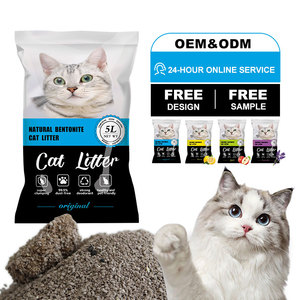
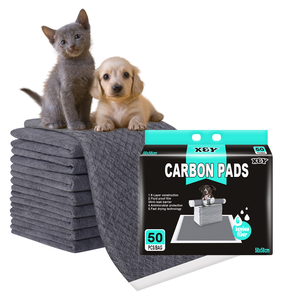
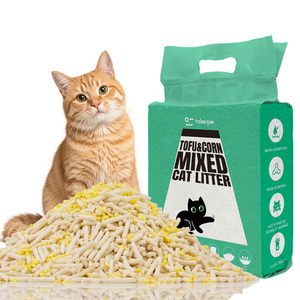
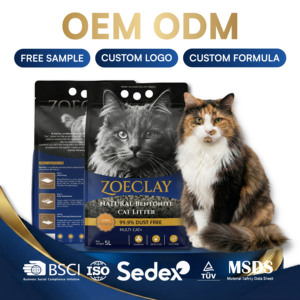
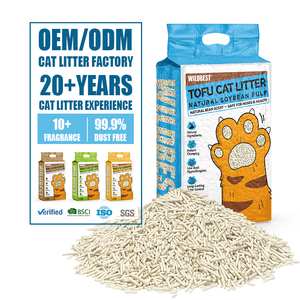
The global pet care industry is currently experiencing a structural paradigm shift driven by heightened feline health awareness, urban high-density living, and stringent regulatory frameworks governing indoor particulate matter pollution. Modern cat owners no longer view cat litter merely as a waste disposal substrate; it is evaluated as a crucial health-maintaining medium. Airborne respirable dust (particulates < 10 micrometers, or PM10) generated by traditional unrefined bentonite litters has been clinically linked to feline upper respiratory tract inflammation, feline asthma, and human indoor allergic reactions.
Consequently, international importers, pet retail chains, and commercial distributors are restructuring their procurement strategies to prioritize China wholesale low dust litter manufacturers who possess advanced dedusting technologies, raw material security through vertical integration, and verifiable quality assurance protocols. China has solidified its position as the premier manufacturing hub for advanced cat litter solutions—combining access to high-purity sodium montmorillonite deposits in northern provinces with world-leading processing techniques for plant-based, flushable tofu formulations.
Information Gain Insight: Sourcing high-grade low-dust litter requires evaluating both physical dedusting mechanics (multi-stage cyclone separation) and granular structural integrity (hardness against attrition during sea transit). Manufacturers controlling raw mineral reserves achieve 38% lower batch-to-batch dust variation compared to secondary compounding processors.
Achieving a consistent 99.9% dust-free rating requires a multi-layered manufacturing protocol that addresses both intrinsic material friability and airborne particulate generation during processing. Leading Chinese OEM factories deploy proprietary extraction and processing workflows tailored to specific raw material bases:
Natural sodium bentonite is prized for its innate swelling capacity and rapid clump cohesion. However, raw clay contains high fractions of loose silt. Modern manufacturers utilize a sodium activation and wet-extrusion process where raw montmorillonite is ground, chemically activated with natural soda ash, and extruded into uniform cylindrical or spherical micro-granules.
To neutralize particulate generation, the dried granules pass through a 5-Stage Electrostatic & Cyclonic De-dusting System. High-velocity air knives pull residual micro-dust into negative-pressure filtration units before automated screening. Furthermore, non-toxic organic binding agents (such as natural guar gum or edible starch coatings) are sprayed at microscopic liquid ratios to lock surface particles without compromising liquid absorption speed.
Tofu cat litter—pioneered in Asian markets and now exploding across North America and Europe—is inherently lower in mineral dust. Manufactured from food-grade pea fiber, soybean dregs, and corn starch, tofu litter relies on mechanical extrusion die optimization. High-density compaction prevents the pellets from crumbling under transport vibration.
Advanced manufacturers integrate vacuum microwave drying tunnels to ensure uniform moisture levels (maintained strictly between 8% and 10%). Controlling moisture eliminates both pellet brittleness (which generates dust) and fungal/bacterial growth during transoceanic transit.
Direct ownership of bentonite mining rights guarantees raw montmorillonite purity above 80%, ensuring structural hardness and minimal friability.
Multiple negative-pressure air filtration passes remove 99.9% of sub-10 micron dust prior to automated moisture-sealed packaging.
Formulations strictly adhere to EU REACH regulations, US FDA food-contact packaging standards, and zero heavy metal contamination benchmarks.
For wholesale buyers, brand owners, and retail procurement officers, choosing the optimal product mix requires balancing functional performance, shipping bulk density, and cost per unit volume. The table below outlines technical metrics across major low-dust cat litter categories manufactured in China:
| Litter Type | Dust Content (%) | Water Absorption | Clumping Speed | Bulk Density (g/cm³) | Primary Target Audience |
|---|---|---|---|---|---|
| Sodium Bentonite Granules | < 0.2% | 300% - 350% | < 3 Seconds | 0.85 - 0.95 | Traditional grocery channels, cost-conscious multi-cat households. |
| Crushed Tofu / Pea Fiber | < 0.1% | 400% - 450% | < 2 Seconds | 0.45 - 0.52 | Eco-conscious buyers, apartment dwellers requiring flushable litter. |
| Activated Carbon Mineral Hybrid | < 0.15% | 320% - 380% | < 3 Seconds | 0.80 - 0.88 | Premium pet boutique brands requiring extreme odor control. |
| Lightweight Mineral Clumping | < 0.1% | 450% - 500% | < 4 Seconds | 0.55 - 0.62 | E-commerce retail (reduced shipping weights), urban retail chains. |
With over 35 years of vertically integrated manufacturing expertise, our production partner network (headquartered in premier mineral and agricultural zones across China) controls the supply chain end-to-end—from initial raw material extraction to white-label packaging.
Unlike unverified trading intermediaries, our factory infrastructure encompasses owned bentonite clay deposits and state-of-the-art automated manufacturing lines capable of yielding over 150,000 metric tons annually. This vertically integrated control ensures absolute batch-to-batch consistency, total trace-back ability, and immunity to third-party raw material price spikes.
As global logistics costs fluctuate, international buyers are increasingly requesting high-concentration lightweight litters. Future developments center on plant-mineral hybrid formulations that reduce bulk weight by 40% while preserving rapid clumping speed. Furthermore, smart packaging equipped with color-changing moisture indicators and bio-based plastic laminates will dominate the premium tier. Chinese manufacturers are leading this shift by investing heavily in R&D facilities dedicated to enzymatic odor neutralization and micro-particle binding.
Request OEM/ODM product samples, factory audit documentation, or custom bulk pricing directly from our experienced export engineering team.
Send an InquiryDust levels are measured using standardized air-displacement particulate testing (such as the EN 15051 standard for industrial dustiness testing). Samples are tumbled inside a sealed chamber while airborne particles are collected on glass fiber filters. A "99.9% dust-free" rating means that less than 0.1% of total sample mass is lost as respirable airborne particles. We guarantee this through multi-stage cyclonic air separation and high-strength granular compaction before bagging.
Standard MOQs for custom private-label packaging start at 1 x 20-foot full container load (FCL), which yields approximately 18 to 24 metric tons depending on the product's bulk density (bentonite vs. tofu). For standard unbranded stock or bulk ton-bag shipping, lower trial quantities can be accommodated upon request.
Tofu cat litter generally produces significantly less respirable mineral dust than bentonite because it is composed of extruded organic fibers (pea or soy) bound with food-grade starches. Bentonite relies on mechanical de-dusting to remove micro-clay particles, whereas tofu litter dust is primarily generated only if pellets suffer severe crushing during transit.
Yes. We offer extensive ODM customization, including the addition of activated carbon micro-granules, deodorizing silica beads, enzymatic odor-eliminators, and heat-stable scents (such as green tea, lavender, coffee, or peach). All fragrance compounds are non-toxic, pet-safe, and micro-encapsulated for slow release upon contact with moisture.
To resist high ocean humidity, products are packaged in heavy-duty multi-layer PE/PET vacuum-sealed bags or moisture-proof woven sacks. Packaging lines utilize automatic vacuum sealers to remove air, preventing granule attrition from friction during container transit. Pallets are fully shrink-wrapped with corner protectors for maximum stability.