0%

Choosing Sustainable Cat Litter for international markets takes more than finding a bag marked “natural.” Buyers must weigh ingredient traceability, dust control, absorbency, packaging, shipping distance, and reliable supply. A litter can be plant-based yet perform poorly in a humid warehouse. It can also biodegrade under specific conditions that local waste services do not provide.

Architect and sustainable-design expert William McDonough’s principle, “Waste equals food,” offers a useful lens for evaluating materials. For litter buyers, that means asking what happens to the product after use—not simply where its ingredients came from. No material is impact-free. That matters.

This guide compares seven suppliers through practical questions: Do they disclose material sources? Can they provide test data and consistent specifications? Are sustainability claims clearly qualified? Buyers should request samples, check odor and clumping performance, and confirm packaging details before committing to large orders. A neat product sheet is not proof of everyday performance. Cats can be fussy, and a litter that looks ideal on paper may sit untouched beside the tray.

Global sourcing adds another layer. Freight costs, lead times, regional disposal options, and clear communication can change a product’s real-world value. The strongest supplier is not automatically the one with the boldest environmental claim. It is the one that can explain its materials, document its performance, and deliver consistently—while admitting where its footprint remains imperfect.
7 Best Sustainable Cat Litter Suppliers for Global Buyers

Sustainable Cat Litter: Materials, Benefits, and Environmental Impact

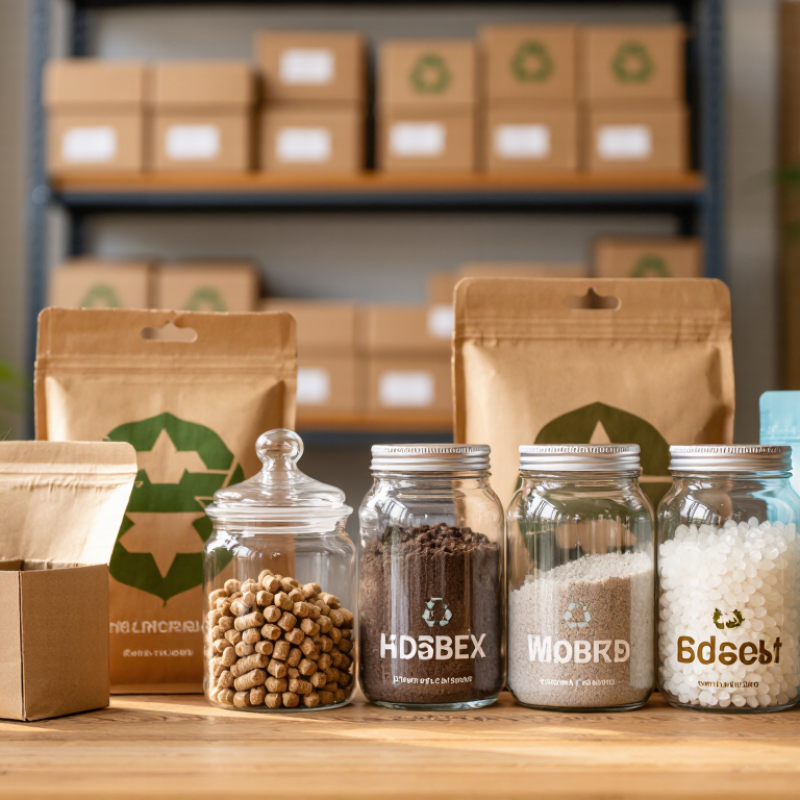
Sustainable cat litter is commonly made from recycled paper, reclaimed wood, plant fibers, or agricultural by-products such as corn and wheat. These materials can reduce reliance on mined clay, but “plant-based” does not automatically mean low-impact. Growing crops uses land and water, while processing and drying require energy. Recycled paper may avoid some new raw materials, though its weight can increase shipping emissions. No material is impact-free.

For buyers comparing products, look beyond the ingredient list. Check whether the litter controls odor without added fragrance, how much dust is released when poured, and whether the packaging is recyclable where customers live. A heavy bag also matters: freight distance and transport method can change its overall footprint. Small details add up. A litter that performs well may need fewer full-box changes, but actual use depends on the cat, home, and cleaning routine.

Disposal deserves equal attention. Some plant-based litters are marketed as compostable, yet cat waste can carry pathogens, so household compost is not automatically suitable for garden use. Follow local waste guidance and product instructions. Even a biodegradable material may break down slowly in a sealed landfill. Compare verified material and disposal information, and be cautious when a supplier offers broad environmental claims without explaining how they were measured.

Estimated Annual Cat Litter Waste by Household Size

This illustrative scenario assumes 2.5 kg of litter per cat per week. Annual totals are calculated as 2.5 × 52 × the number of cats; actual use varies with litter type, cat habits, and cleaning routine.

Environmental context: These figures represent litter used, not measured landfill emissions. Renewable or recycled materials may reduce reliance on virgin mineral resources, but transport, production, and local disposal practices also affect environmental impact. Follow local disposal guidance.

How to Evaluate Suppliers for Quality, Safety, and Sustainability

A sustainable cat litter supplier should prove quality, safety, and environmental claims with documents, not attractive packaging. Ask for product specifications, batch-level test results, and a current safety data sheet. Check absorbency, clumping, dust levels, and consistency across shipments. A sample that performs well once may not represent every production batch.

Environmental claims need clear boundaries. The U.S. EPA’s 2018 Advancing Sustainable Materials Management report recorded 292.4 million tons of municipal solid waste generated in the United States; 146.1 million tons went to landfill. These figures cover all municipal waste, not cat litter specifically, but they show why material choice and packaging matter. Ask suppliers to explain raw-material sourcing, transport assumptions, packaging content, and the evidence behind terms such as “compostable.” For mineral-based products, request dust and crystalline-silica test information. For plant-based products, verify moisture control and contamination checks. A label alone is not proof. Even a well-documented supplier may leave gaps.

Tips: Compare suppliers using the same test methods and request recent, independent lab reports. Check whether sustainability data covers the full product lifecycle, not only the raw material. Ask how they trace materials and handle rejected batches. Small details count: a dusty sample, vague sourcing records, or inconsistent packaging deserve follow-up.

Seven Sustainable Cat Litter Suppliers Serving Global Buyers

Global buyers can find sustainable cat litter from seven kinds of suppliers: wood-fiber processors, recycled-paper mills, corn-based producers, wheat-straw makers, tofu-residue processors, grass-fiber manufacturers, and mineral suppliers using lower-impact extraction methods. Each material behaves differently. Wood pellets may feel firm underfoot, while recycled paper can be lighter but less effective at hiding odors. The label alone proves little.

Ask suppliers for ingredient specifications, safety data, and credible information about sourcing and manufacturing. Check whether packaging details match the product, and request samples before placing a large order. A simple home or facility trial can reveal dust, tracking, clumping, and odor control. Details matter.

Global purchasing also depends on practical service. Confirm minimum order quantities, lead times, export packaging, and whether product quality stays consistent between batches. Request recent test results where available, but examine what was tested and by whom. “Compostable” can be confusing; disposal options depend on local facilities and guidance. I would not rank a material as sustainable from its raw ingredient alone. Transport distance, processing, and waste handling can change the picture, and some suppliers provide less evidence than buyers would like. Ask again.

Comparing Product Types, Certifications, and Customization Options

Global buyers comparing sustainable cat litter suppliers should look beyond packaging claims. Common options include recycled paper pellets, wood-based granules, tofu-derived litter, and mineral blends. Each performs differently in a real tray. Paper can feel light and produce little dust, while wood may track less but have a distinct scent. Plant-based clumping litter often absorbs quickly, though clump strength varies with formula and humidity. Ask suppliers for particle-size ranges, absorbency test methods, dust results, and disposal guidance. Samples help. Test them in identical trays for several days, noting odor, tracking, and scooping effort. Results may surprise you.

Certifications can support supplier claims, but their scope matters. Request current certificates, issuing bodies, covered products, and audit dates; a factory certificate may not apply to every litter batch. Check whether compostability claims specify test conditions and suitable facilities. Custom options may include pellet size, fragrance-free formulas, packaging materials, carton dimensions, and multilingual instructions. Get minimum order quantities, lead times, and change-control procedures in writing. A custom scent may suit one market and disappoint another. That is easy to overlook. Confirm material origin and batch traceability, then compare landed cost and shipping damage, not just unit price. A small pilot order is still a useful reality check.

Global Sourcing: Pricing, Shipping, and Supplier Selection

Global buyers should compare sustainable cat litter by landed cost, not factory price alone. Ask suppliers to quote identical product weights, packaging formats, and order volumes. A low unit price can lose its appeal when moisture-sensitive bags need stronger cartons or freight rates change. Request separate costs for the product, packaging, inland transport, export handling, and freight. Keep each assumption visible.

Supplier selection should start with evidence. Request current test reports for absorbency, dust, and clumping, along with documentation for recycled, plant-based, or compostable content claims. Check that reports match the exact formula and production site. They may not. Ask about batch traceability, capacity, minimum order quantities, and sample lead times. Test a small shipment under normal storage conditions; a neat showroom sample reveals little about damaged corners after transit.

Shipping details matter. Confirm carton strength, pallet dimensions, moisture protection, and loading plans before booking. Compare shipping options using both transit time and total cost, including likely delays at transfer points. Ask how the supplier handles damaged goods and production changes. Get answers in writing. I would still allow room for uncertainty: a first shipment rarely predicts every seasonal demand shift, and forecasts can be wrong. Small steps help.

FAQS

What documents should I request before choosing a supplier?

Ask for product specifications, recent batch-level test results, and a current safety data sheet. A sample alone is not enough.

Which product qualities should I compare?

Check absorbency, clump strength, dust, odor, tracking, and consistency across shipments. Test samples in identical trays for several days.

What safety information matters for different materials?

For mineral-based litter, request dust and crystalline-silica test information. For plant-based products, check moisture controls and contamination testing.

How can I assess environmental claims?

Request evidence about sourcing, packaging content, transport assumptions, and compostability conditions. Labels are not proof. Some gaps may remain.

Do different litter materials perform the same way?

No. Paper pellets may feel light and produce little dust. Wood granules may track less but have a distinct scent. Humidity can affect plant-based clumping.

What should I check on certificates?

Confirm the issuing body, audit date, covered products, and production site. A factory certificate may not apply to every batch.

What details matter for customized products?

Confirm pellet size, fragrance-free options, packaging, carton dimensions, and translated instructions. Put order minimums, lead times, and change procedures in writing.

How should I compare prices and shipping?

Compare landed costs, including product, packaging, inland transport, export handling, and freight. Check carton strength and moisture protection. Rates change.

What can a small shipment reveal?

Test it under normal storage conditions and inspect damaged corners, odor, and performance. A polished sample can still mislead.

Conclusion

Sustainable Cat Litter is made from renewable or recycled materials such as plant fibers, wood, paper, and other biodegradable resources. Compared with conventional options, these products may help reduce reliance on nonrenewable raw materials and offer benefits such as lower dust, lighter packaging, or easier disposal, depending on their composition. Buyers should also consider how materials are sourced, processed, and transported, since environmental impact extends across the product’s life cycle.

For global buyers, choosing a supplier involves assessing product consistency, absorbency, odor control, safety information, sustainability claims, and relevant certifications. Comparing litter types, packaging formats, private-label services, and customization options can help identify products suited to different markets and customer needs. Pricing should be evaluated alongside minimum order quantities, shipping costs, lead times, and supplier communication. A balanced selection process helps buyers find reliable products that meet quality expectations while supporting responsible sourcing and practical international supply.

Charlotte

Charlotte

Charlotte is a professional marketing specialist with a deep understanding of the company’s products, customer needs, and market landscape. She regularly contributes expert articles to the company website, offering clear, practical insights that help readers understand product features, compare......